Industry Trend
The rise of sustainable health products in Australia — and the brands leading the way
Sustainable health products have moved from niche to mainstream. For Australian brands, the opportunity now belongs to products that combine wellbeing, transparency and responsible practices.
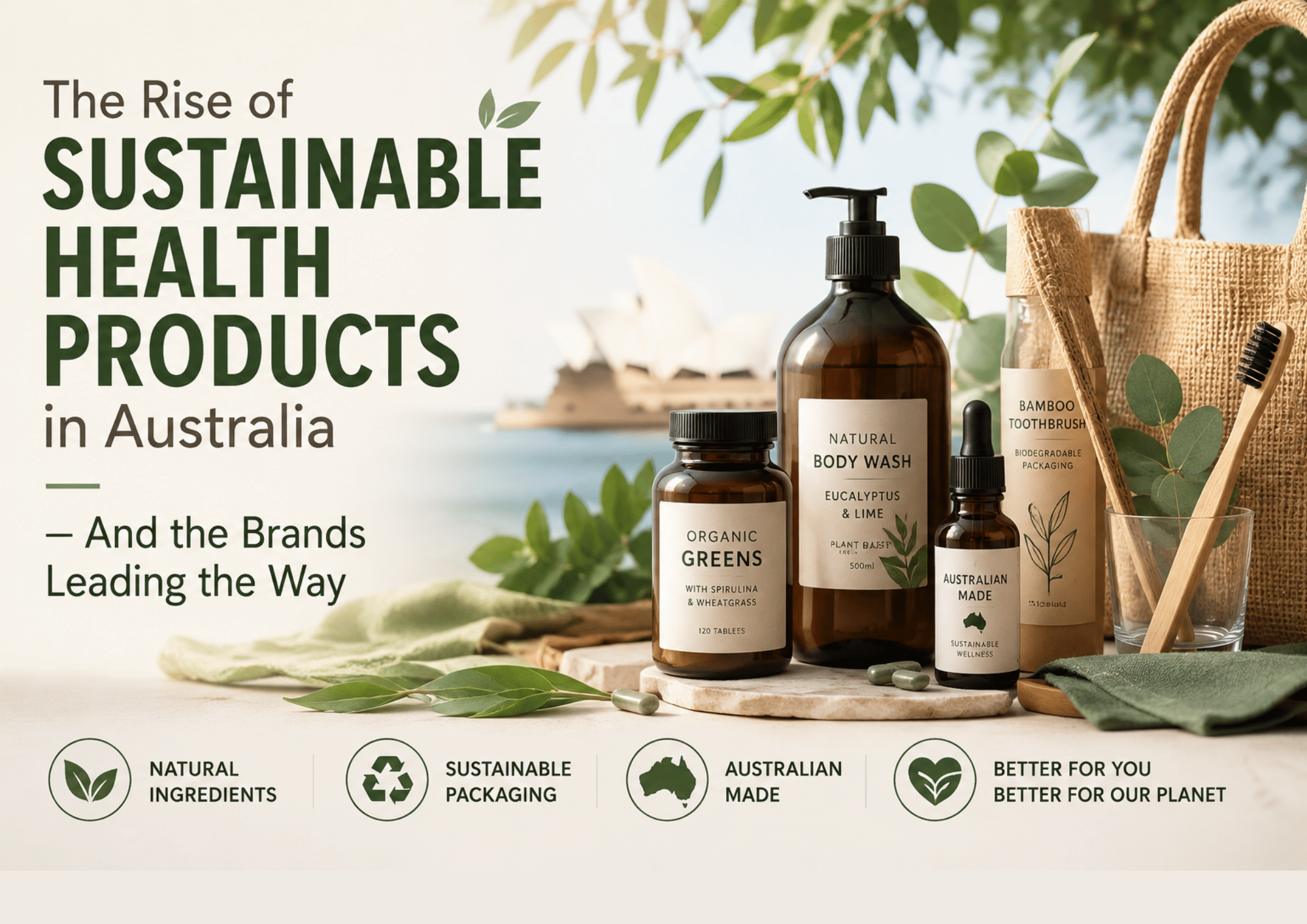
The Australian health and wellness market has changed. Consumers are still looking for products that support everyday wellbeing, but they are also asking better questions about ingredients, packaging, sourcing, product claims and the values behind a brand.
Sustainable health products are no longer simply a “green” alternative sitting on the edge of the category. They are becoming part of the mainstream expectation for brands that want to build long-term trust with Australian consumers.
This shift creates real opportunity for brands doing the work properly — but it also raises the bar for evidence, clarity and responsible communication.
In 2026, sustainability is strongest when it is specific, practical and connected to the whole customer experience — not treated as a vague marketing claim.
Why sustainable health products are growing
Australian consumers increasingly connect personal wellbeing with broader responsibility. For many buyers, a product that supports health should also feel considered in how it is made, packaged, explained and used.
This is especially visible across categories such as personal care, menstrual care, supplements, hygiene, skincare, wellness tools and low-waste lifestyle products. People are paying closer attention to whether a brand’s sustainability message is supported by its actual decisions.
The brands gaining momentum tend to make the responsible choice easy to understand. They do not rely on vague language. They show consumers what has changed, why it matters, and how it affects the product experience.
What “sustainable” means in health and wellness
Sustainability in this category is not limited to packaging. It can include product design, ingredient selection, manufacturing choices, waste reduction, refill or reuse models, ethical sourcing, transparency, and the long-term value a product provides to customers.
For health and wellness brands, the strongest sustainability stories usually combine several practical signals:
- Lower-impact materials — packaging, components or formats designed to reduce avoidable waste.
- Responsible sourcing — clearer information about ingredients, suppliers or manufacturing locations.
- Product longevity — reusable, refillable or durable design where appropriate.
- Transparent claims — sustainability statements that are specific, accurate and supported by evidence.
- Consumer usability — products that are easy to understand, use and dispose of responsibly.
What leading brands have in common
The brands leading the way are not necessarily the loudest. They are often the clearest. They explain what their product does, what their sustainability choices mean, and where there are still limitations.
That honesty matters. Consumers are increasingly comfortable with brands that say, “Here is what we are doing now, here is what we are improving, and here is what we can prove.” That tends to build more trust than broad claims about being eco-friendly, clean or planet-positive without context.
A strong sustainable health brand usually has a clear link between its product benefit and its responsibility story. It does not treat sustainability as decoration. It makes it part of the value proposition.
What consumers are checking before they buy
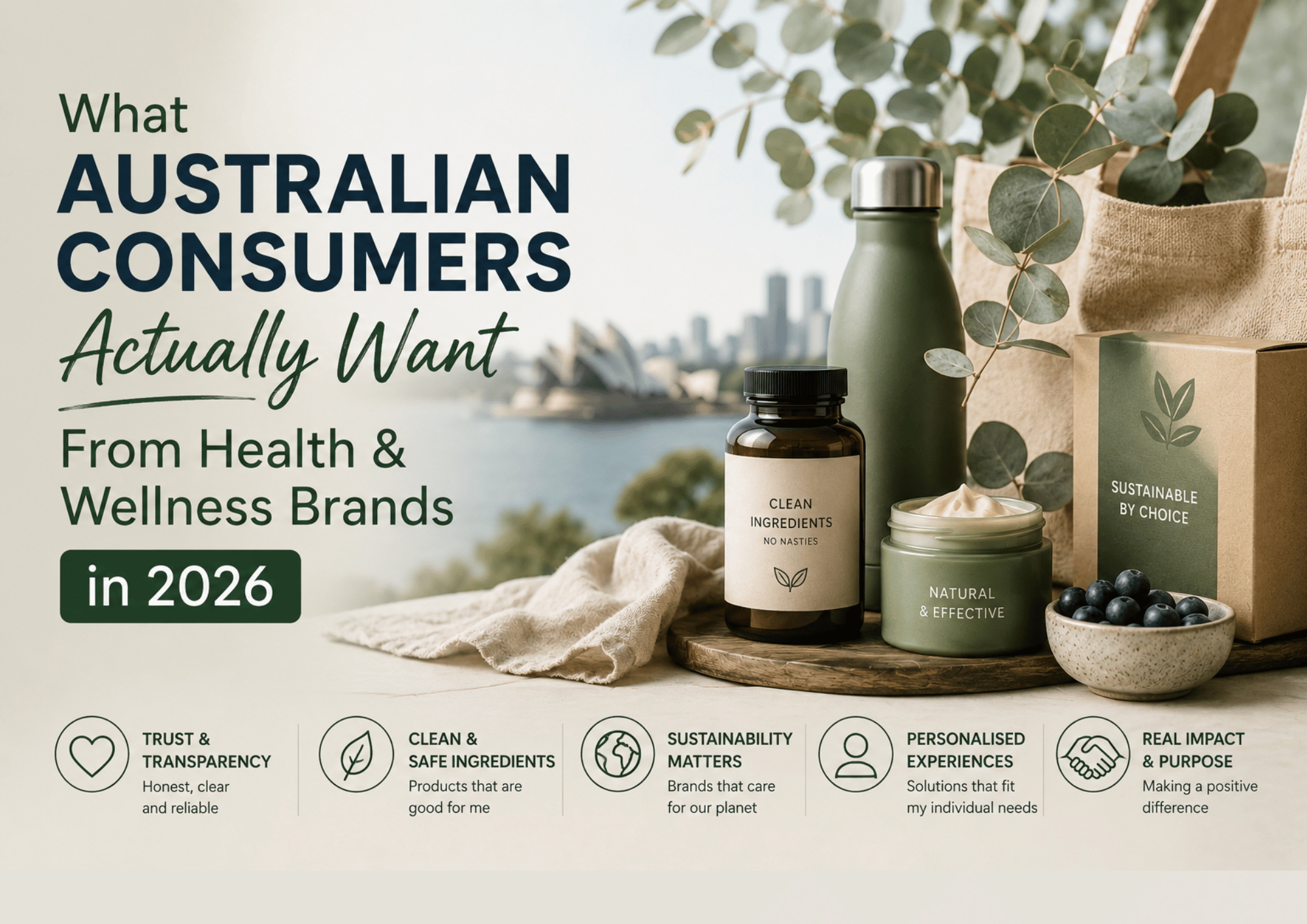
Today’s health and wellness customer is more informed than ever. Before buying, they may check ingredient lists, product origin, packaging details, independent reviews, third-party recognition, certifications, claims language and brand behaviour across multiple channels.
This creates pressure for brands, but it also rewards those with nothing to hide. When a product page, packaging and social presence all tell the same clear story, the customer has fewer reasons to hesitate.
- Can the consumer quickly understand what the product is and who it is for?
- Are sustainability claims specific rather than vague?
- Is there evidence to support claims about materials, sourcing or impact?
- Does the brand explain how to use, reuse, recycle or dispose of the product?
- Is there independent validation that supports the brand’s trust story?
Avoiding greenwashing and vague claims
The sustainability opportunity comes with responsibility. In Australia, environmental and sustainability claims should be accurate, clear and capable of being substantiated. The ACCC’s guidance for businesses highlights the importance of truthful environmental claims and warns against greenwashing.
For health and wellness brands, that means avoiding claims that create a broader impression than the evidence supports. Words like “eco”, “natural”, “clean”, “low-impact” or “sustainable” should be backed by specific explanations and, where relevant, evidence that a consumer can understand.
The aim is not to make every brand perfect. The aim is to make communication honest, useful and proportionate to what the product actually does.
How recognition helps sustainable brands stand out
In a crowded category, credible third-party recognition can help consumers distinguish between a brand’s own marketing and an external review process. It gives brands a clearer way to communicate that their product, service or organisation has been considered against published criteria.
The Australian Health & Wellness Awards recognise Australian health, wellness and sustainable products and services through a clear, considered and credible awards program. Recognition is not a regulatory approval, medical endorsement or sustainability certification. It is an awards outcome based on assessment principles published for entrants and consumers to understand.
For brands genuinely investing in transparency, responsibility, usability and sustainability, that kind of recognition can support stronger customer confidence across packaging, websites, retail, social and trade communication.
What this means for brands in 2026
Sustainable health products in Australia are no longer a niche trend. They are becoming a signal of how seriously a brand thinks about wellbeing, responsibility and long-term consumer trust.
Brands that can clearly explain their product, substantiate their claims and show meaningful responsibility will be better placed to grow. Brands that rely on vague language or unsupported sustainability signals will find it harder to hold attention.
The Australian Health & Wellness Awards 2026 exists to recognise brands that are building that trust with care.
The Australian Health & Wellness Awards is an independent recognition program celebrating transparency, sustainability and consumer-led excellence in Australian health and wellness.
Is your sustainable health product ready for recognition?
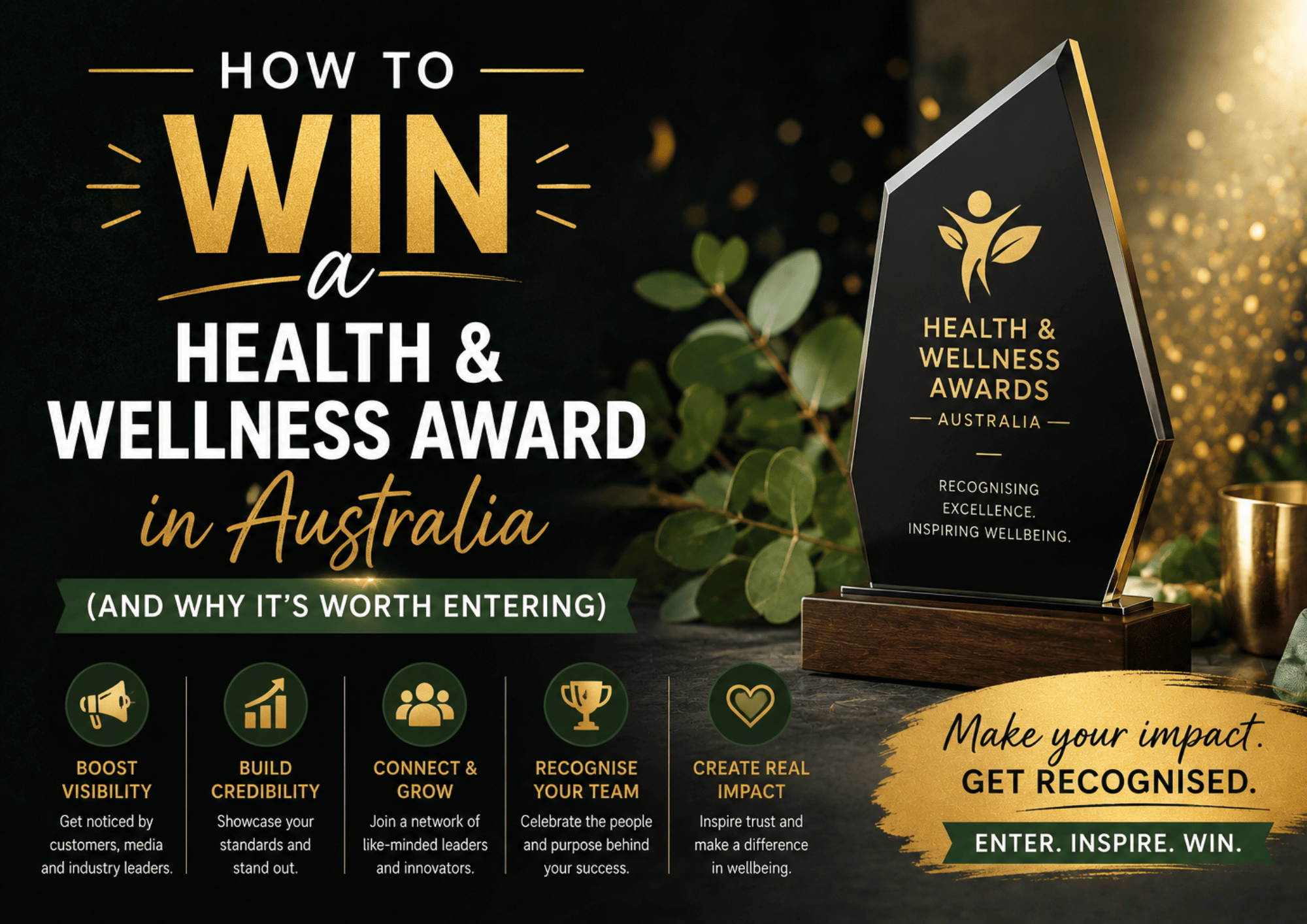
Enter the 2026 Australian Health & Wellness Awards and have your product, service or organisation reviewed against published criteria.
Frequently asked questions
What are sustainable health products?
Sustainable health products are products that support health or wellbeing while also considering responsible design, sourcing, packaging, usability, waste reduction, transparency and long-term consumer value.
How can a brand prove its sustainability claims?
Brands can support sustainability claims by making them specific, explaining the basis for the claim, keeping evidence available, avoiding vague language, and ensuring product pages, packaging and marketing are consistent.
Does AHWA certify sustainable health products?
No. AHWA is an awards program, not a regulator or certification body. Recognition is based on assessment against published criteria and does not replace legal, regulatory or certification obligations.
One Response